 FRANÇAIS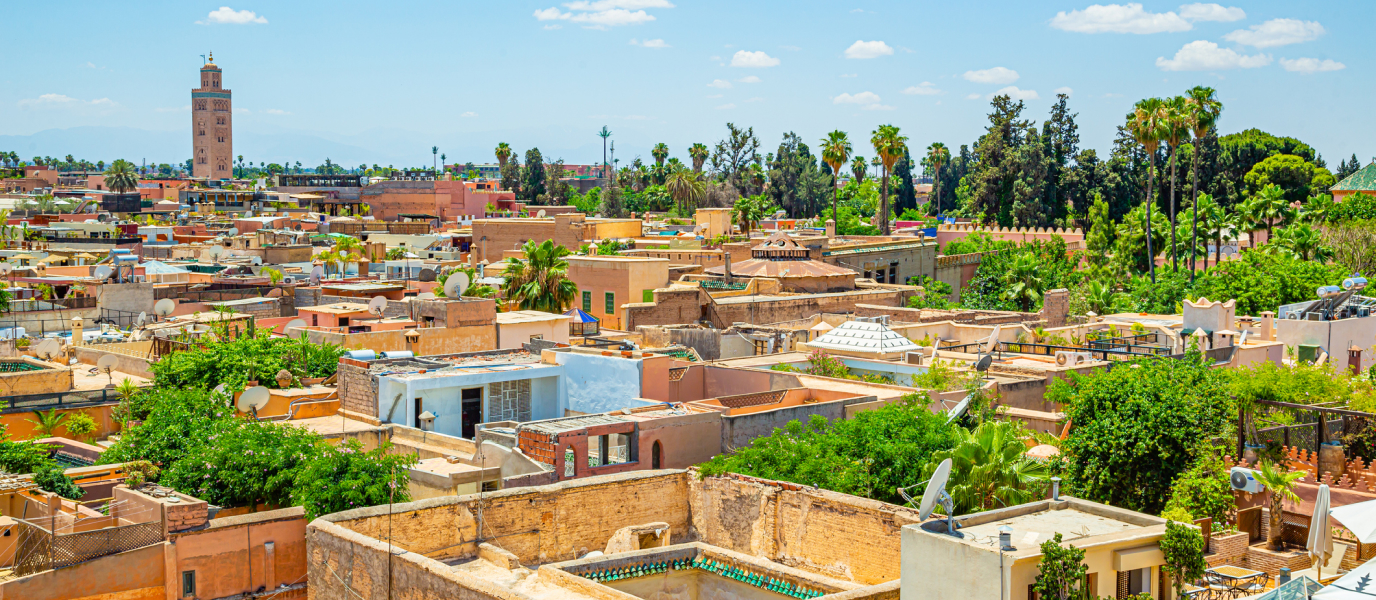
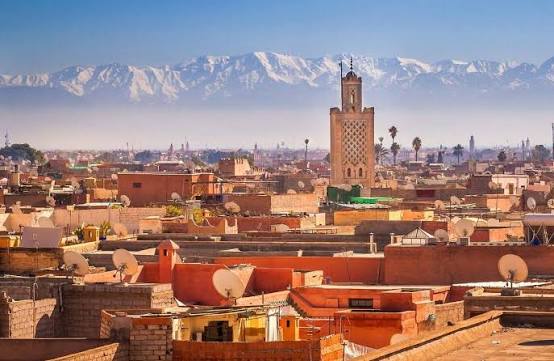
Marrakech, famously known as the "Red City," is a spellbinding destination where centuries-old history seamlessly intertwines with vibrant modernity. From the labyrinthine alleys of the ancient Medina to the lush gardens of the New Town, every corner promises a visual and sensory adventure.
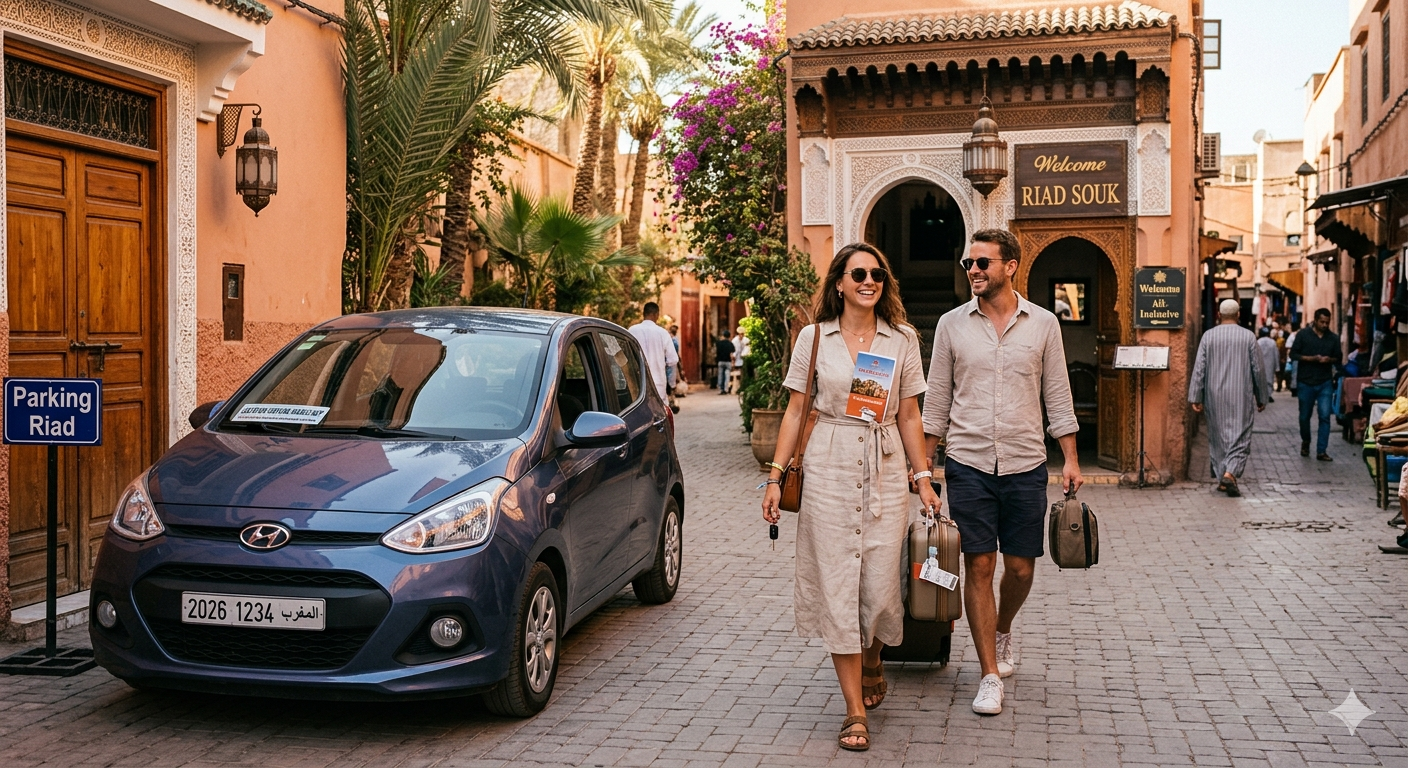
To fully explore everything the city has to offer—as well as breathtaking nearby attractions like the Agafay Desert or the Atlas Mountains—arranging a car rental in Marrakech is the ideal way to travel at your own pace with total freedom. Reliable local agencies, such as Lamcar , make it seamless to pick up a vehicle perfectly suited to your needs right from the airport.
Here is your comprehensive guide to the top 10 things to do in Marrakech to help you plan an unforgettable journey.
Table of Contents
- Soak Up the Energy of Jemaa el-Fnaa Square
- Get Lost in the Medina Souks
- Admire the Artistry of Ben Youssef Madrasa
- Stroll Through Jardin Majorelle & the Yves Saint Laurent Museum
- Visit the Opulent Bahia Palace
- Gaze Upon the Koutoubia Mosque
- Explore the Grand Ruins of El Badi Palace
- Step Back in Time at the Saadian Tombs
- Experience an Authentic Traditional Hammam
- Escape to the Agafay Desert
- Frequently Asked Questions (FAQ)
Top 10 Best Things to Do in Marrakech
1. Soak Up the Energy of Jemaa el-Fnaa Square
The beating heart of Marrakech, Jemaa el-Fnaa completely transforms as the day unfolds. Quiet and spacious in the morning, it morphs into an open-air theater by dusk. Storytellers, Gnawa musicians, henna artists, and smoky street food stalls create a buzzing spectacle unlike anywhere else on earth. For the best view without the crowds, grab a mint tea on a surrounding rooftop terrace just before sunset.
2. Get Lost in the Medina Souks
A true maze of colors, sounds, and scents, the souks of Marrakech are organized by traditional trade guilds. Wander through Souk Smata for handcrafted leather babouches (slippers), Souk Chouari for intricate basketry and woodwork, or Souk Attarine for gleaming brass lanterns and mounds of aromatic spices. It is the perfect place to put your haggling skills to the test and bring home unique Moroccan crafts.
3. Admire the Artistry of Ben Youssef Madrasa
Once the largest Islamic college in North Africa, founded in the 14th century and beautifully rebuilt in the 16th century, this madrasa once housed up to 900 students. Today, it stands as an absolute masterpiece of Moroccan-Andalusia architecture.
Take a moment to absorb the central courtyard. The combination of the marble reflection pool, geometric zellij (tilework), and hand-carved cedarwood beams showcases an incredible level of historical craftsmanship.
4. Stroll Through Jardin Majorelle & the Yves Saint Laurent Museum
Created by French painter Jacques Majorelle in the 1920s, this botanical garden is a refreshing artistic oasis away from the urban bustle.
The striking contrast between the intense, cobalt Majorelle Blue of the Art Deco villa, the bright yellow accents, and the lush green of towering cacti and bamboo makes it incredibly photogenic. Saved from real estate developers by fashion icon Yves Saint Laurent and Pierre Bergé in 1980, the complex also holds an insightful Berber Museum. The companion YSL Museum is located just steps away, celebrating the designer’s lifelong love affair with Marrakech.
5. Visit the Opulent Bahia Palace
Built in the late 19th century for Si Moussa, grand vizir of the sultan, and expanded by his son Ba Ahmed, the Bahia Palace ("The Palace of Brilliance") spans nearly 8 hectares. The grand structure guides you through rooms featuring floor-to-ceiling stained-glass windows, intimate courtyards planted with orange trees, and a massive, sun-drenched grand courtyard paved in brilliant Italian marble and Moroccan tiling.
6. Gaze Upon the Koutoubia Mosque
Standing at 77 meters tall, the minaret of the Koutoubia Mosque is Marrakech's ultimate landmark, visible across the entire city. Built in the 12th century during the Almohad dynasty, its elegant pink sandstone geometry actually served as the architectural blueprint for the Giralda in Seville. While the interior is closed to non-Muslims, the surrounding rose gardens offer a beautiful, breezy walk in the afternoon heat.
7. Explore the Grand Ruins of El Badi Palace
Though it stands in ruins today, El Badi Palace retains an undeniable atmosphere of melancholic grandeur. Commissioned by Saadian Sultan Ahmad al-Mansur in the late 16th century to celebrate a major military victory, it was originally dubbed "The Incomparable" due to its lavish walls once encrusted with gold, turquoise, and Italian marble. Today, you can walk through its massive sunken pavilions and spot the giant storks that nest atop the high mud-brick ramparts.
8. Step Back in Time at the Saadian Tombs
Sealed off and forgotten for centuries after the fall of the Saadian dynasty, these royal mausoleums were only rediscovered in 1917 through aerial photography. The site serves as the final resting place for roughly sixty members of the royal lineage. The undeniable highlight is the Chamber of the Twelve Pillars, a breathtaking room featuring magnificent vaulted ceilings carved from cedarwood, embellished with gold leaf and Italian Carrara marble.
9. Experience an Authentic Traditional Hammam
After days spent walking miles across the city, experiencing a Moroccan hammam is the ultimate form of relaxation. It is a cornerstone of local social culture. You can choose between a budget-friendly, authentic neighborhood bathhouse for an immersive experience, or a luxury boutique riad spa for a private retreat. The ritual involves steaming to open your pores, a vigorous full-body scrub with traditional savon noir (black eucalyptus soap) using a kessa glove, followed by a purifying clay mask and an argan oil massage.
10. Escape to the Agafay Desert
If your itinerary doesn't allow for the long trek out to the sweeping dunes of the Sahara, the Agafay Desert is an incredible alternative located less than an hour away. This stark, stone desert features rolling, pale-gold hills that create a dramatic lunar landscape against the backdrop of the snow-capped High Atlas Mountains. It is the perfect playground for a quad-biking adventure, a sunset camel ride, or an evening dining under a starlit sky in a luxury desert camp.
Travel Tip: Why book a private vehicle?
While the historic Medina can only be navigated on foot, many of Marrakech's top highlights are spread far outside the old city walls (like the Palmeraie groves, the Menara Gardens, or the Agafay hills). Arranging a car rental in Marrakech spares you from haggling over fares with taxi drivers and gives you complete freedom to plan spontaneous day trips to the refreshing Ourika Valley or the coastal fortress town of Essaouira.
Frequently Asked Questions (FAQ)
When is the best time of year to visit Marrakech?
The shoulder seasons of spring (March to May) and autumn (September to November) are ideal. Temperatures hover comfortably between 22°C and 28°C, which is perfect for sightseeing. Summer months (July and August) get intensely hot, frequently climbing past 40°C.
What is the easiest way to get around the city and its surroundings?
For exploring the historic heart (Medina), walking is your only real option due to the narrow streets. For traveling between neighborhoods like Guéliz or setting off on excursions outside town, a car rental in Marrakech is highly recommended for convenience and comfort, especially for families. Trusted local portals like Lamcar make it easy to secure anything from a compact city car to a sturdy SUV tailored for Moroccan roads.
Is driving in Marrakech difficult?
Navigating the immediate city center of Marrakech can feel hectic for first-time visitors due to scooters, pedestrians, and busy roundabouts. However, the main boulevards, highways, and regional roads connecting Marrakech to nearby coastal cities or mountain towns are modern, well-signposted, and very straightforward to drive.
How many days should I spend in Marrakech?
A stay of 3 to 4 days is perfect to see the major historical palaces, explore the souks, visit the gardens, and enjoy a traditional hammam. If you plan to use the city as a base for day trips to the Atlas Mountains or the coast, expanding your trip to 5 to 7 days is ideal.
Conclusion
Marrakech is a destination that captures the imagination like nowhere else. By balancing a foot-guided exploration of the ancient, bustling Medina with the seamless flexibility of a car rental in Marrakech, you ensure an incredibly rich vacation—giving you easy access to both city highlights and the stunning, wide-open landscapes of rural Morocco.